Roger Williams University students will soon need to get used to a new academic routine: logging into Brightspace instead of Bridges. The University is beginning a gradual transition to the new learning management system (LMS), with pilot courses already underway and a full campus rollout planned for Fall 2026.
This change marks the end of Bridges, which has been used on the Bristol campus since 2010 to host course materials, assignments, announcements, and discussion forums. After evaluating the platform, University administrators determined that it no longer meets the needs of a modern academic environment.
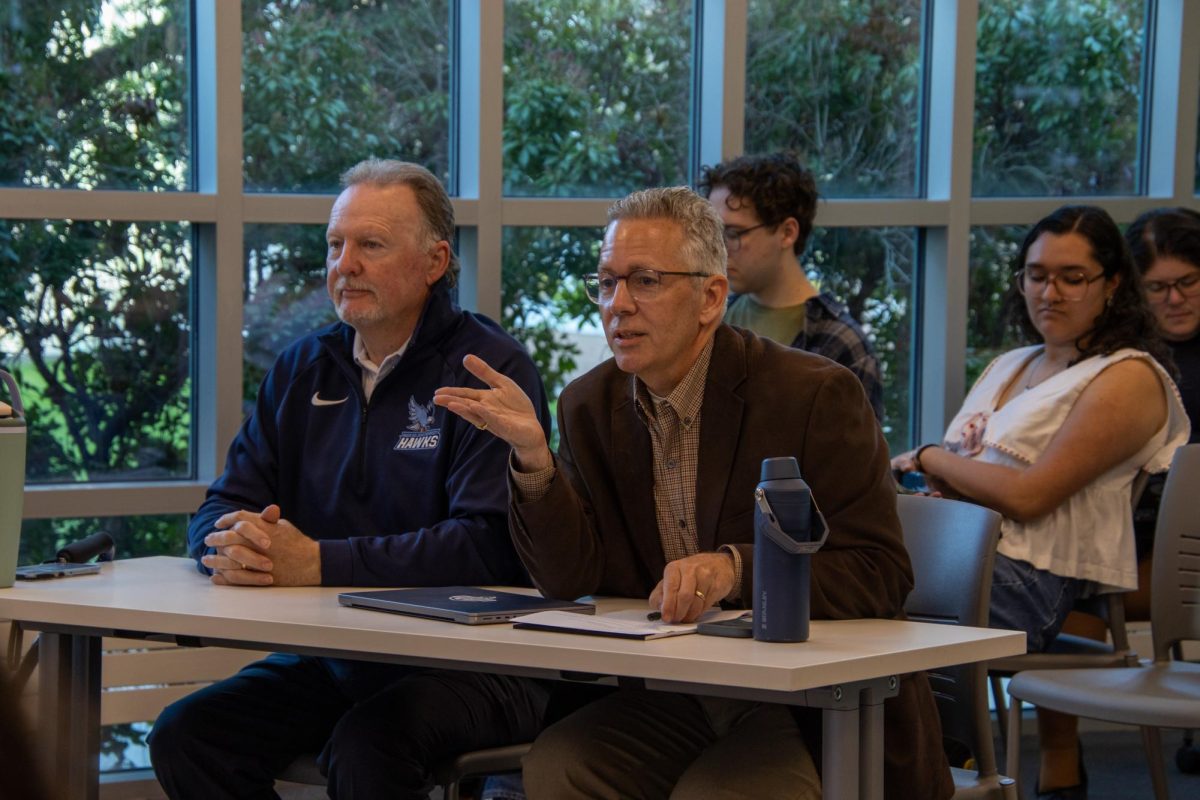
During an April Student Senate meeting, Provost Everett explained that the decision to move away from Bridges was driven largely by the system’s outdated structure. In an email, Associate Provost for Academic Affairs Becky Spritz said the transition is intended to “provide a better learning platform for students and faculty.”
A phased rollout
The transition will begin in Fall 2025 and continue through several semesters to allow time for adjustment. A small group of faculty members referred to as “piloteers” are currently testing Brightspace in select courses to identify challenges and prepare for wider implementation.
Joseph Roberts, professor and chair of political science, is among those piloting the system. Having used Bridges since its initial launch, Roberts said the new platform requires a learning curve.
“What worked in Bridges didn’t work the same way in Brightspace,” Roberts said. “I kind of got myself in a pickle and had to go back and reverse the steps.”
Roberts added that pilot participants meet regularly with the instructional design team to share feedback and support one another throughout the transition.
Why Brightspace?
Brightspace is already in use at RWU’s Providence Extension campus, meaning the transition will align both campuses on the same system. According to the University’s Brightspace transition hub, administrators hope this will streamline support services, strengthen collaboration among faculty, and help the institution meet strategic priorities related to student success and engaged learning.
Unlike Bridges, Brightspace is a continuously updated platform with expanded features such as virtual classroom tools, video assignment submissions, advanced grading options, and integrated analytics dashboards. The system also includes a mobile app, Pulse, which allows students to access announcements, assignments, and grades on their phones.
Roberts said students in his pilot course have already embraced the app.
“The thing that I think students will ultimately come to appreciate a lot is there’s an app so you can do a lot of things on the app,” he said.
Training and support
To ease the transition, RWU plans to offer training sessions, sandbox environments for faculty, and a digital literacy course for incoming first-year students. Additional support will include knowledge-based resources and a 24/7 help line offering chat, email, and text assistance.
Faculty onboarding is expected to require four to eight hours of training, with additional time needed to rebuild or migrate course content from Bridges. Instructional Design will transfer the most recent three years of course materials ahead of the Fall 2026 launch, though older content will not be migrated and should be backed up before Bridges is retired.
While Brightspace offers expanded academic tools, it will not support the wide range of non-course project sites currently hosted in Bridges. For long-term document storage or collaborative projects, the University recommends platforms such as Microsoft Teams, SharePoint, or Google Drive.
Looking ahead
The full implementation of Brightspace is still subject to change as the pilot program continues and additional feedback is gathered. By Fall 2026, however, the University expects Brightspace to replace Bridges entirely, marking a significant shift in how students and faculty interact with course content.
For many students, the transition will mean adapting to new workflows and features. For RWU administrators, it represents an investment in a more modern and accessible academic experience.