It is that time of year again when assignments are piling up, stress is high, and the housing selection process is just beginning.
Associate Vice President for Student Life & Dean of Students, Dr. Derek Zuckerman acknowledged the stress that comes along with room selection and wanted to ensure that as much accurate information is available to students as possible to take some of the stress off of housing.
The Residence Life and Housing Department is bringing a fresh perspective to the housing selection process after seeing a turn over in staff in the past few years. They are committed to searching for improvements to the housing selection process and make it the least anxiety provoking as possible, Erin Durigan, Assistant Director of Residence Life & Housing said.
“When I say fully new, not new to the process and to the department, but new to this process…We’ve been prioritizing and are trying to start some new opportunities for folks to have more enticing housing,” Durigan said.
This year, the selection process will not see any major changes, said Zuckerman. There will still be timeslots by class year and students can create roommate groups.
There is a greater emphasis on roommate groups being able to fill up an entire suite or space. Zuckerman said there may be earlier opportunities for entire groups to fill an entire suite or space. By allowing established groups to fill a suite, it could decrease the amount of conflicts if there is a mix of people who are unfamiliar with each other, Zuckerman said. Durigan said Residence Life and Housing saw over 1,000 room changes in the fall semester alone. Groups would register and then receive a lottery number and whoever had the highest number from that group, the group would pick first in their age classification, Zuckerman explained.
Zuckerman acknowledged there are students who may not have an established roommate group and said there will be opportunities for those students to pick different spaces that are open within suites.
Residence Life and Housing and Student Life have also floated some new residency requirements. In November, Zuckerman attended a Student Senate meeting with the Vice President of Student Life, Dr. John King where they announced plans to implement a three year on campus residency requirement.
Zuckerman said the residency requirement has not been officially announced, but is being strongly considered by the University. If the residency requirement were to be adopted, it would apply to the incoming first year students for the class of 2030.
In an email to current juniors and sophomores sent at the end of February, Zuckerman broke down financial costs comparing living off campus and on campus. Most apartment leases are twelve month leases, as opposed to RWU’s eight month lease. In Bristol and the surrounding area, the best case scenario would cost $18,600 for a shared 4 bedroom home when also considering rent, utilities, internet, transportation, groceries, and renter’s insurance. The more realistic cost illustrated by a three bedroom home with variable utilities and food costs could cost students over $23,000 per year per student. At RWU, the average apartment cost per student is $6,776 per semester, or $13,552 per academic year and is a one time payment per year.
Zuckerman does not believe the residency requirement would be a “huge” change for a number of people. Currently, the majority of the junior class lives on campus, and that Residence Life and Housing has not had to turn any upperclassmen away from living on campus, Zuckerman said.
Durigan also has a new vision for the Almeida Apartments. Durigan sees Almeida as an area predominantly for seniors and graduate students as a transitional opportunity for upperclassmen to experience a drive to work everyday, living a mile away from campus, and overall mimicking adult life more. Although historically, sophomores have also had the opportunity to live in Almedia, Durigan said it can be too overwhelming for some sophomores.
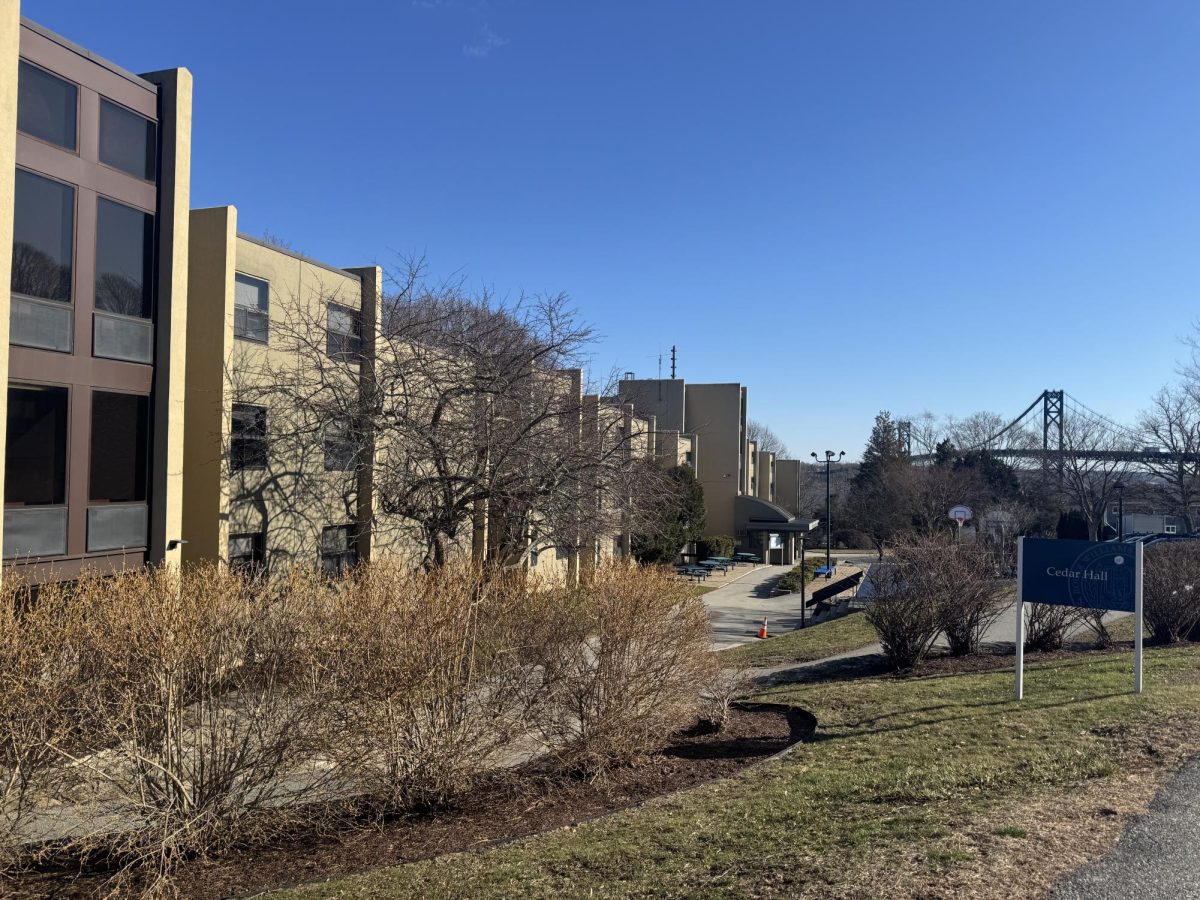
There are also some efforts to house people of similar class years in the same area of housing. Durigan said when students are considering housing, the staff is going to work very hard to placing the predominant number of first year students into Cedar and Maple. Durigan emphasized the importance of first years living with their peers as a unique experience and as a way for first years to meet other first year students who are in the same stage of experience as them.
Durigan’s goal is to keep improving housing every year for students. For example, for sophomores, she would love to see sophomores in Stonewall, Willow, and North Campus Suites. For juniors and seniors, students would begin to look at Bayside apartments, North Campus apartments, and Almeida apartments.
Although classifying residence halls is going to be a challenging transition for students, Durigan wants students to experience their lives with other people who are in similar times in their lives.
Continued occupancy looks very much the same as last year. Rising seniors are eligible to apply for Continued Occupancy, however, not all spaces are eligible for continued occupancy, said Durigan. For continued occupancy eligibility, the entire group must be rising seniors, and if there is an opening, the group can pull in another rising senior.
Overall, although housing selection can be a daunting task, Durgan said the Residence Life and Housing Staff ultimately want students to enjoy where they live: “We want folks to have an enjoyable experience. That’s the goal.”